DR. M. RANJEET
MBBS, MD (Pediatrics), DCH
- Experience: 10 years
- Hospital: City Health Clinic
- Fee: ₹800
- Rating: ★ 5.0
Available today

Currently blank. Needs a brief summary explaining what asthma is (e.g., a chronic condition that affects the airways in the lungs, causing inflammation, swelling, and narrowed airways).
Select the symptoms you are experiencing. We will route Normal Appointment, Urgent Request, or Emergency Guidance. This is navigation help, not a medical diagnosis.
A family history of asthma, eczema, or allergic rhinitis significantly increases susceptibility to developing chronic airway hyperresponsiveness and hypersensitivity.
Exposure to common indoor and outdoor allergens—such as house dust mites, pollen, pet dander, mold spores, and cockroach waste—triggers airway inflammation and acute spasms.
Infections during early childhood (e.g., Respiratory Syncytial Virus [RSV] or rhinovirus) can alter lung development and cause long-term inflammation of the bronchial tubes.
Inhalation of tobacco smoke (firsthand or secondhand), vehicle emissions, particulate matter, chemical fumes, and strong odors irritates the lining of the airways.
Prolonged workplace exposure to industrial chemicals, wood dust, flour dust, or agricultural vapors can sensitize the respiratory tract and induce occupational asthma.
The primary pulmonary function test used to assess airflow limitation. It measures the total volume of air exhaled (FVC) and the volume exhaled in the first second (FEV1) before and after administering a bronchodilator to confirm reversibility.
A handheld monitoring test that measures the maximum speed of expiration. It helps track daily airflow variations, monitor response to treatment, and detect worsening asthma before symptoms appear.
Measures the level of nitric oxide gas in exhaled breath to directly evaluate allergic airway inflammation, helping guide decisions on corticosteroid therapy dosage.
A bronchoprovocation test used when standard spirometry is inconclusive. Inhaling incremental doses of methacholine induces mild airway constriction in individuals with hyperreactive airways.
dentifies specific environmental allergens (such as dust mites, pollen, mold, or animal dander) that act as allergic triggers for asthma flare-ups.
Seat the person upright comfortably, leaning slightly forward if needed. Do not let them lie down, as sitting up helps open the airways and makes breathing easier.
Give 1 puff of a quick-relief (salbutamol/reliever) inhaler, ideally using a spacer. Have the person take 4 slow breaths for that puff. Repeat up to 4 separate puffs.
Wait 4 minutes and monitor the person's breathing. Keep them calm and encourage slow, steady breathing to prevent hyperventilation.
If breathing difficulty continues without improvement, administer another 4 separate puffs of the reliever inhaler following the same 1-puff, 4-breath sequence.
If symptoms do not improve after 8–10 puffs, or if the person cannot speak in full sentences, has blue lips/nails, or collapses, call emergency medical services immediately. Continue giving 4 puffs every 4 minutes until help arrives.
Educational information only — not a personal prescription. Always consult a qualified clinician.
Daily long-term preventive medication (e.g., fluticasone, budesonide) that reduces chronic swelling, inflammation, and mucus production inside the bronchial tubes to prevent asthma attacks.
Quick-relief bronchodilators (e.g., albuterol/salbutamol) used via inhaler to rapidly relax smooth muscle bands around airways during acute symptoms or sudden asthma flare-ups.
Oral daily medications (e.g., montelukast) that block leukotrienes—immune system chemicals that cause airway constriction, excessive mucus secretion, and chest tightness.
Targeted injectable monoclonal antibody treatments (e.g., omalizumab, mepolizumab) are prescribed for severe, uncontrolled allergic or eosinophilic asthma to block specific inflammatory pathways.
A minimally invasive thermal procedure for severe asthma where heat energy is applied to the smooth muscles of the lungs to reduce their thickness and decrease airway constriction.
Track and eliminate exposure to individual environmental triggers such as airborne allergens (dust mites, pollen, pet dander), tobacco smoke, chemical fumes, and strong fragrances.
Take prescribed long-term preventive inhalers (such as inhaled corticosteroids) every day as directed, even when feeling healthy and free of active symptoms.
Stay up to date with annual influenza (flu) shots and pneumococcal vaccines to prevent severe viral and bacterial respiratory infections that can trigger asthma flare-ups.
Use HEPA air filters, keep indoor humidity below 50% to prevent mold growth, wash bedding weekly in hot water, and keep living spaces free of dust buildup.
Regularly measure peak expiratory flow (PEF) rates to detect early signs of airway narrowing, allowing for proactive adjustments to medication before severe symptoms develop.
Incorporate foods rich in Vitamin C, Vitamin D, and antioxidants (such as berries, leafy greens, and citrus fruits) as well as omega-3 fatty acids (salmon, flaxseeds) to support lung health and reduce systemic inflammation.
Engage in low-impact cardio such as swimming, walking, or cycling. Always perform a 10–15 minute warmup before exercise and carry a quick-relief inhaler to prevent exercise-induced bronchospasm.
Maintain indoor relative humidity below 50%, use HEPA air purifiers in sleeping areas, wash bed linens in hot water weekly, and avoid damp environments to prevent dust mite and mold accumulation.
Avoid exposure to secondhand tobacco smoke, wood burning, chemical cleaning agents, synthetic fragrances, and foods/beverages containing sulfites or artificial preservatives that can trigger bronchospasm.
Practice breathing exercises (such as the Buteyko or diaphragmatic breathing techniques) and maintain a healthy body mass index (BMI), as obesity can increase asthma severity and lower response to medications.
Needing to use a quick-relief (salbutamol) inhaler more than 2 days a week or waking up at night needing rescue medication, indicating deteriorating asthma control.
Peak Expiratory Flow (PEF) readings consistently dropping into the yellow zone (50% to 80% of personal best), signaling narrowing airways before severe symptoms start.
Extreme breathlessness where the chest and ribs pull inward deeply during breathing (intercostal retractions), accompanied by rapid, shallow respiration.
Breathing difficulty so severe that the person can only speak a few words at a time without pausing to take a breath.
A dangerous drop in oxygen levels resulting in blue or gray tinting around the lips, tongue, or nail beds, often accompanied by confusion, severe anxiety, or lethargy.
Based on the selected health concern, these specialists may be relevant. General Medicine is listed as a starting point for Asthma — this is navigation help, not a diagnosis.
Care paths: Normal Appointment · Urgent Request · Emergency Guidance.
MBBS, MD (Pediatrics), DCH
Available today
MBBS, MD General Physician & Diabetologist
MBBS MD, Anaesthesia
MD - Pulmonary Medicine, Sleep Medicine Specialist
MBBS, MD, Pediatrics
MBBS, MD (General Medicine)
Mumbai
Hyderabad
General Care
₹1,499
Cardiac Care
₹2,999
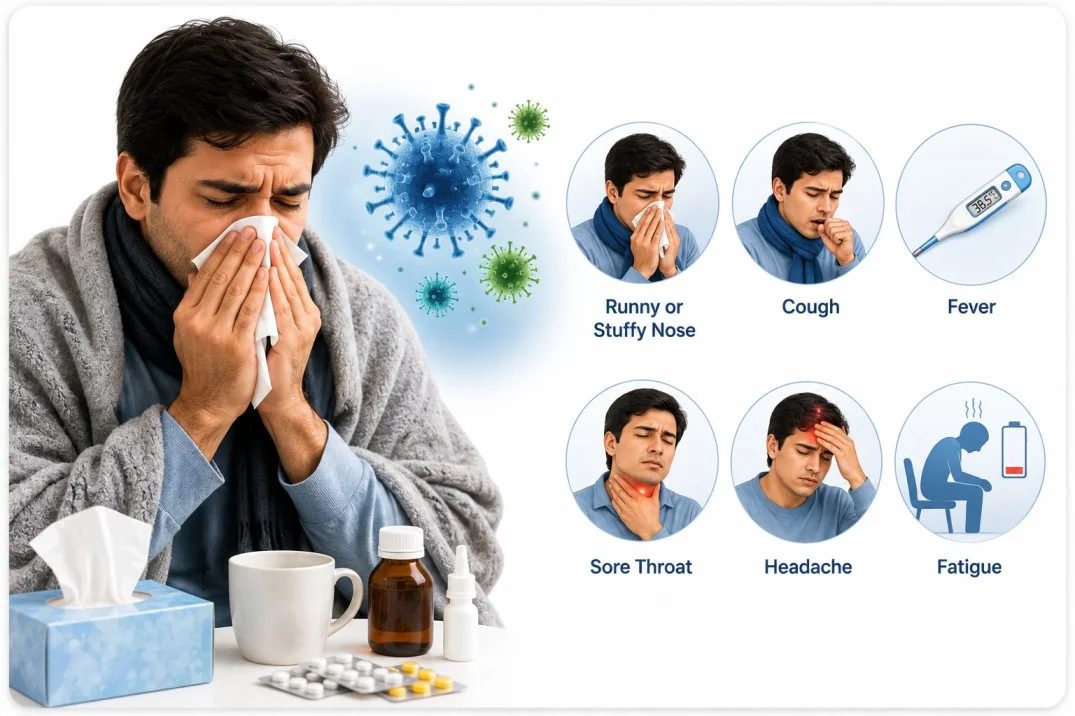
Viral fevers are common, but identifying warning signs like breathing trouble, persistent vomiting, or sustain...
Read article →Detecting physiological variations early can lead to highly responsive therapy plans, avoiding emergency clini...
Read article →Saathora provides healthcare information to help you understand conditions and find care. It is not a substitute for professional medical advice, diagnosis, or treatment.
Completed appointment → Eligible for review. This becomes a Verified Patient Review for the doctor and hospital of this visit.
Accessibility details not listed yet.
Elderly priority assistance is available. Booked appointment times stay the same.
Saathora assistant