DR. SRUJANA KOMMALAPATI
MBBS, MD (Internal Medicine)
- Experience: 5 years
- Hospital: St. Jude Medical Center
- Fee: ₹2,000
- Rating: ★ 5.0

Migraine is a neurological condition characterized by intense, throbbing headaches, typically affecting one side of the head, often accompanied by symptoms such as nausea, vomiting, and extreme sensitivity to light and sound.
Select the symptoms you are experiencing. We will route Normal Appointment, Urgent Request, or Emergency Guidance. This is navigation help, not a medical diagnosis.
Having a family history of migraines significantly increases susceptibility due to inherited gene variants that affect neuronal hypersensitivity and ion channel function in the brain.
Fluctuations in estrogen levels—particularly drops before or during menstrual periods, pregnancy, or menopause—frequently trigger or worsen migraine attacks.
Consuming aged cheeses, processed meats with nitrates, monosodium glutamate (MSG), artificial sweeteners, missing meals, or failing to drink enough water.
Emotional stress at work or home, as well as the sudden relaxation after a period of intense stress ("let-down" migraine), can provoke acute migraine episodes.
Bright lights, flickering screens, sun glare, loud noises, strong odors (such as perfumes, smoke, or chemicals), and sudden changes in weather or barometric pressure.
A detailed medical history assessment and physical neurological examination evaluating reflexes, muscle strength, sensory responses, and vision to establish diagnostic criteria for migraine.
High-resolution brain imaging used to rule out secondary causes of severe headaches, such as brain tumors, aneurysms, strokes, or structural brain abnormalities.
A rapid imaging scan performed primarily in emergency settings to quickly exclude acute intracranial hemorrhages, acute structural lesions, or severe sinus infections.
A procedure to analyze cerebrospinal fluid pressure and composition, performed when acute central nervous system infection, inflammation, or subarachnoid hemorrhage is suspected.
Systematic tracking of headache frequency, duration, severity, accompanying symptoms, potential dietary or environmental triggers, and medication response over several weeks to confirm pattern and guide therapy.
Retreat immediately to a dimly lit, quiet room at the onset of symptoms to reduce sensory stimulation, photophobia, and phonophobia.
Place a cold ice pack wrapped in a cloth on your forehead or temples, or a warm compress on the back of your neck, to help ease muscle tension and numb pain.
Take abortive migraine medication (such as triptans, NSAIDs, or antiemetics) as early as possible after the onset of aura or headache symptoms, as recommended by your healthcare provider.
Drink small amounts of cool water or electrolyte solution to combat dehydration, which is a common trigger and exacerbating factor for headaches.
Call emergency medical services immediately if the headache is sudden and extraordinarily severe ("thunderclap") or accompanied by fever, stiff neck, confusion, seizure, or loss of speech/motor control.
Educational information only — not a personal prescription. Always consult a qualified clinician.
First-line acute treatments such as triptans (e.g., sumatriptan, rizatriptan) or high-dose NSAIDs (e.g., naproxen, ibuprofen) are taken at the onset of an attack to constrict cranial blood vessels and block pain pathways.
Modern abortive and preventive therapies, including calcitonin gene-related peptide (CGRP) receptor antagonists (gepants) and ditans, are designed to block pain signaling without causing vasoconstriction.
Prophylactic oral medications—including beta-blockers (propranolol), anticonvulsants (topiramate), or tricyclic antidepressants (amitriptyline)—are prescribed to reduce the frequency and severity of frequent attacks.
Wearable bioelectronic devices that deliver transcutaneous electrical or magnetic stimulation to the trigeminal or vagus nerves to relieve pain or prevent migraine recurrence
Behavioral therapies that teach individuals to monitor and control physiological stress responses, reducing muscle tension and sympathetic nervous system arousal that trigger migraines.
Maintain a detailed headache diary to track and minimize exposure to specific individual triggers such as aged cheeses, artificial sweeteners, bright flashing lights, or loud noises.
Maintain regular sleep-wake cycles by going to bed and waking up at the exact same time every day, even on weekends, as sleeping too much or too little can trigger attacks.
Avoid skipping meals or fasting to prevent blood glucose fluctuations, and drink adequate amounts of water daily to maintain consistent hydration levels.
Engage in daily relaxation techniques such as mindfulness meditation, yoga, deep breathing exercises, or biofeedback to regulate the body's physiological stress response.
Take prescribed prophylactic therapies (such as CGRP inhibitors, beta-blockers, or anticonvulsants) consistently as directed by your neurologist to reduce the frequency and intensity of attacks.
Maintain a consistent eating schedule to prevent blood sugar spikes and drops. Incorporate foods rich in magnesium and riboflavin (Vitamin B2), such as leafy greens, nuts, seeds, and whole grains.
Eliminate or minimize aged cheeses, cured meats containing nitrates, monosodium glutamate (MSG), artificial sweeteners, and alcohol (especially red wine). Ensure continuous fluid intake throughout the day.
Perform 30 minutes of low-impact aerobic activity (such as brisk walking, swimming, or cycling) 3–5 times per week to release endorphins and reduce overall migraine frequency. Avoid sudden high-intensity exertion without proper warmup.
Keep a strict sleep routine by going to bed and waking up at the same time every day, including weekends. Avoid both sleep deprivation and oversleeping, as erratic sleep patterns frequently provoke attacks.
Regularly log meal times, daily activities, weather changes, stress levels, and headache occurrences in a diary or tracking app to identify individual triggers and monitor lifestyle management progress.
udden, excruciating pain that reaches peak intensity within seconds to minutes, which may indicate a subarachnoid hemorrhage or ruptured vascular aneurysm.
A severe headache accompanied by systemic symptoms such as fever, neck stiffness, photophobia, or altered mental status, suggesting central nervous system infections like meningitis.
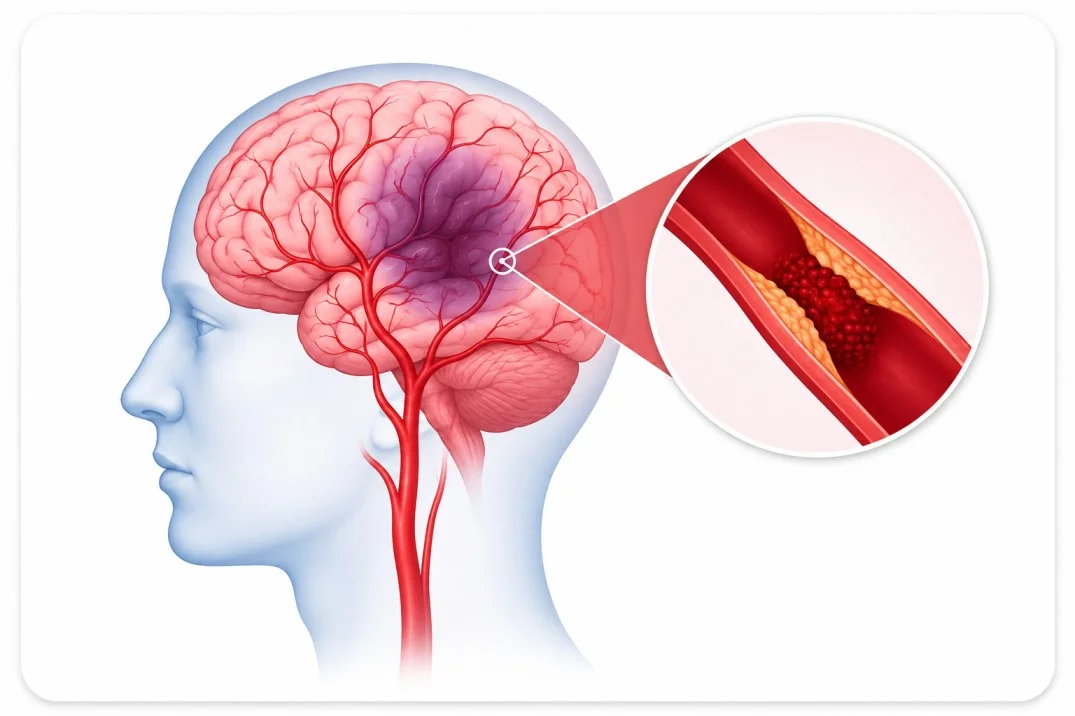
Sudden loss of sensation, numbness, or loss of strength in the face, arm, or leg (especially on one side of the body), which may signal a stroke or transient ischemic attack (TIA).
Sudden partial or complete loss of vision in one or both eyes, double vision, or visual aura symptoms that persist beyond 60 minutes.
nability to articulate words properly, slurred speech, or difficulty understanding spoken language during an attack, which requires clinical evaluation to rule out vascular impairment.
Based on the selected health concern, these specialists may be relevant. Neurology is listed as a starting point for Migraine — this is navigation help, not a diagnosis.
Care paths: Normal Appointment · Urgent Request · Emergency Guidance.
MBBS, MD (Internal Medicine)
New Delhi
General Care
₹1,499
Viral fevers are common, but identifying warning signs like breathing trouble, persistent vomiting, or sustain...
Read article →Discover minor lifestyle, diet adaptations and sodium control measures recommended by our cardiolgists to keep...
Read article →Saathora provides healthcare information to help you understand conditions and find care. It is not a substitute for professional medical advice, diagnosis, or treatment.
Completed appointment → Eligible for review. This becomes a Verified Patient Review for the doctor and hospital of this visit.
Accessibility details not listed yet.
Elderly priority assistance is available. Booked appointment times stay the same.
Saathora assistant