DR. NAZIM KAJANI
MBBS, MS (Ortho/OSM) Trauma and accident care Rheumatology Chronic Pain Management
- Experience: 14 years
- Hospital: St. Jude Medical Center
- Fee: ₹1,500
- Rating: ★ 5.0

Hypertension, or high blood pressure, is a long-term medical condition in which the blood pressure in the arteries is persistently elevated, often showing no symptoms but increasing the risk of heart disease, stroke, and kidney problems.
Select the symptoms you are experiencing. We will route Normal Appointment, Urgent Request, or Emergency Guidance. This is navigation help, not a medical diagnosis.
The most common form of high blood pressure, developing gradually over many years with no single identifiable direct cause, often linked to genetics and aging.
Consuming excessive dietary salt (sodium) causes the body to retain fluid, increasing blood volume and arterial pressure, especially when combined with low potassium intake.
Lack of physical activity increases heart rate, forcing the heart to work harder with each contraction, while excess body weight increases blood volume and vascular resistance.
High blood pressure caused by underlying health conditions such as chronic kidney disease, obstructive sleep apnea, thyroid disorders, or adrenal gland tumors.
A family history of high blood pressure significantly increases individual risk due to inherited gene variants affecting blood vessel tone and kidney sodium handling.
Smoking, excessive alcohol consumption, and prolonged emotional stress cause temporary blood pressure spikes that can gradually damage blood vessels over time.
Routine, non-invasive measurement using an inflatable cuff wrapped around the upper arm to record systolic and diastolic blood pressure readings.
A 24-hour continuous monitoring device that measures blood pressure at regular intervals throughout the day and night to assess blood pressure variation and rule out "white coat" hypertension.
Blood tests evaluating electrolytes, kidney function (BUN, serum creatinine), fasting blood glucose, and lipid levels, alongside urinalysis to check for protein or signs of kidney damage.
A quick test that records the electrical activity of the heart to check for abnormal heart rhythms or signs of left ventricular hypertrophy caused by long-standing high blood pressure.
Stop all physical activity immediately and sit or lie down in a quiet, relaxed environment. Keep your head slightly elevated and loosen tight clothing.
Take slow, deep breaths—inhaling through the nose and exhaling slowly through the mouth for 5 minutes—to reduce anxiety and lower heart rate.
Measure blood pressure again after 5–10 minutes of quiet rest to check if the reading is stabilizing or continuing to climb.
If a physician has prescribed specific fast-acting blood pressure medication for sudden spikes, administer it strictly according to their instructions.
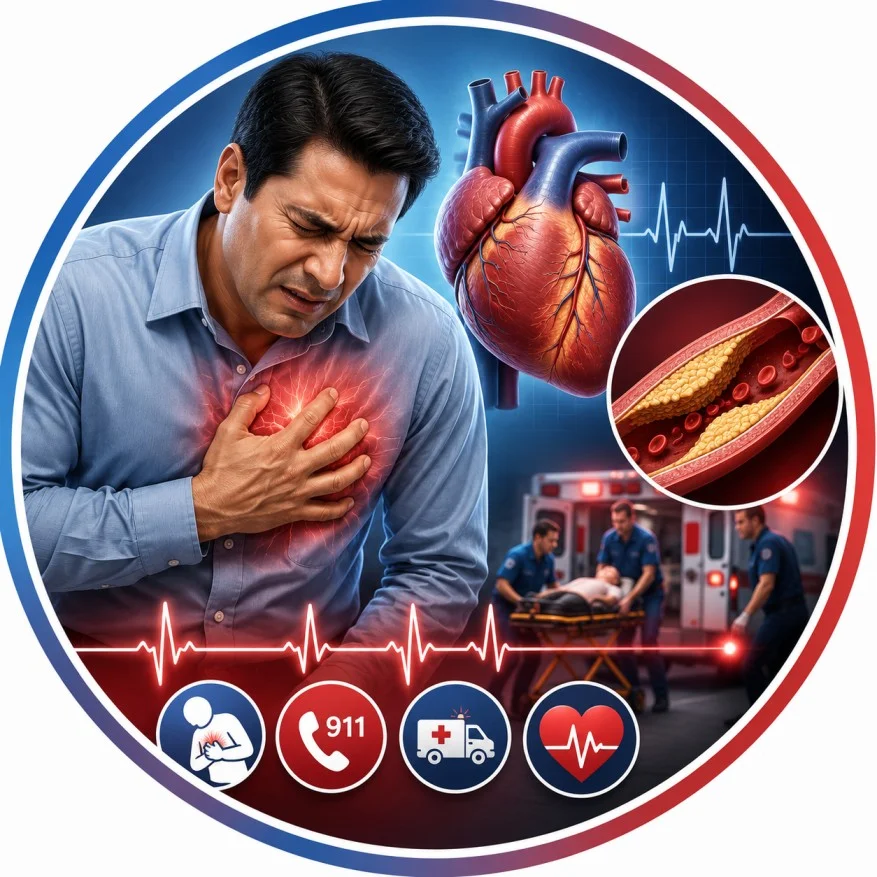
If blood pressure exceeds 180/120 mmHg or is accompanied by chest pain, severe headache, shortness of breath, blurred vision, or numbness/weakness, seek immediate emergency medical care.
Educational information only — not a personal prescription. Always consult a qualified clinician.
Implement heart-healthy habit changes, including dietary sodium restriction, regular physical activity, weight management, stress reduction, and avoiding tobacco and excessive alcohol.
First-line blood pressure medications (e.g., lisinopril, enalapril) that relax blood vessels by blocking the formation of a natural chemical that narrows blood vessels.
Prescription medications (e.g., losartan, valsartan) that block the action of angiotensin II to help relax and widen blood vessels, lowering blood pressure.
Medications (e.g., amlodipine, hydrochlorothiazide) that reduce vascular resistance or help the kidneys eliminate excess sodium and water to lower blood pressure.
Regular home blood pressure tracking alongside periodic medical evaluations to adjust medication dosages, monitor kidney function, and manage cardiovascular risk factors.
Eat a balanced diet rich in fruits, vegetables, whole grains, lean proteins, and low-fat dairy while significantly limiting sodium (salt), saturated fats, and processed foods.
Aim for at least 150 minutes of moderate-intensity aerobic exercise (such as brisk walking, swimming, or cycling) per week to strengthen the heart and improve blood vessel flexibility.
Achieve and maintain a healthy body mass index (BMI), as losing even a small amount of weight if overweight can substantially lower blood pressure and reduce cardiovascular strain.
Avoid smoking and tobacco products, which instantly spike blood pressure and damage blood vessels, and restrict alcohol consumption to moderate limits or eliminate it altogether.
Practice daily stress-reduction techniques like deep breathing, meditation, or yoga, and routinely measure blood pressure at home to detect early changes.
Emphasize fruits, vegetables, whole grains, lean poultry, fish, and nuts while restricting saturated fats, refined sugars, and high-sodium processed foods.
Restrict daily sodium intake to under 1,500–2,000 mg by cutting back on canned soups, processed meats, salty snacks, condiments, and added table salt.
Engage in at least 150 minutes of moderate-intensity aerobic exercise per week (such as brisk walking, cycling, or swimming) to strengthen the heart and lower resting blood pressure.
Incorporate mindfulness meditation, deep breathing exercises, yoga, or progressive muscle relaxation to reduce chronic sympathetic nervous system activation.
Track blood pressure readings at home at consistent times, restrict or eliminate alcohol intake, and maintain healthy sleep hygiene (7–8 hours nightly).
Based on the selected health concern, these specialists may be relevant. Cardiology is listed as a starting point for Hypertension — this is navigation help, not a diagnosis.
Care paths: Normal Appointment · Urgent Request · Emergency Guidance.
MBBS, MS (Ortho/OSM) Trauma and accident care Rheumatology Chronic Pain Management
New Delhi
Saathora provides healthcare information to help you understand conditions and find care. It is not a substitute for professional medical advice, diagnosis, or treatment.
Completed appointment → Eligible for review. This becomes a Verified Patient Review for the doctor and hospital of this visit.
Accessibility details not listed yet.
Elderly priority assistance is available. Booked appointment times stay the same.
Saathora assistant