DR. NAZIM KAJANI
MBBS, MS (Ortho/OSM) Trauma and accident care Rheumatology Chronic Pain Management
- Experience: 14 years
- Hospital: St. Jude Medical Center
- Fee: ₹1,500
- Rating: ★ 5.0
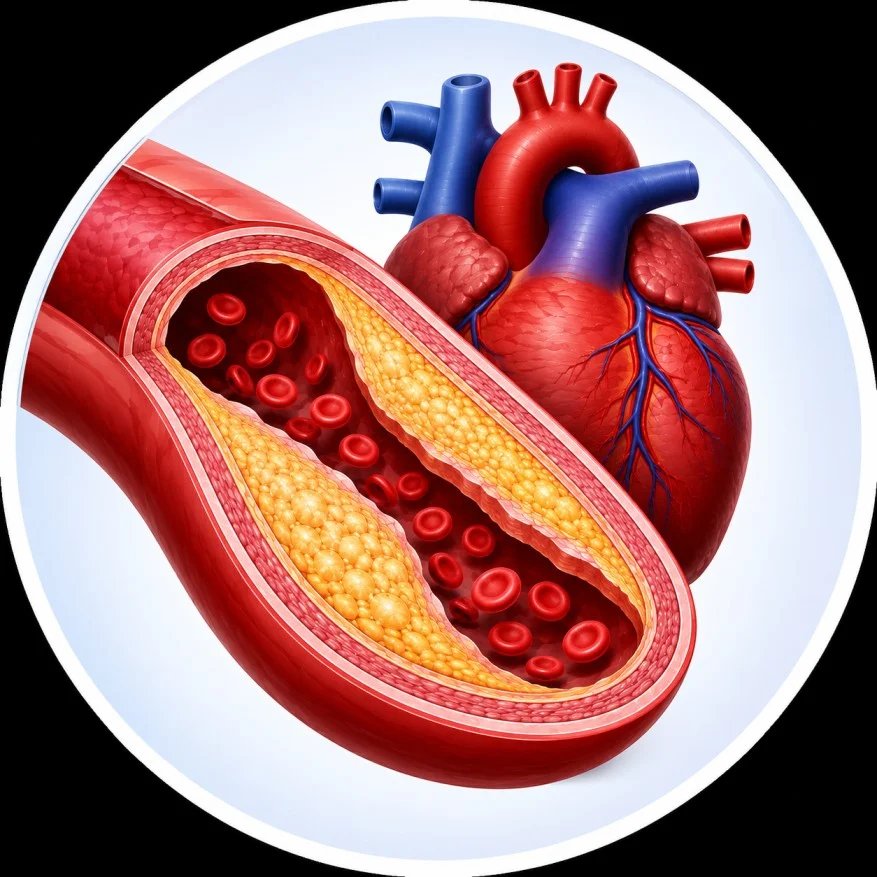
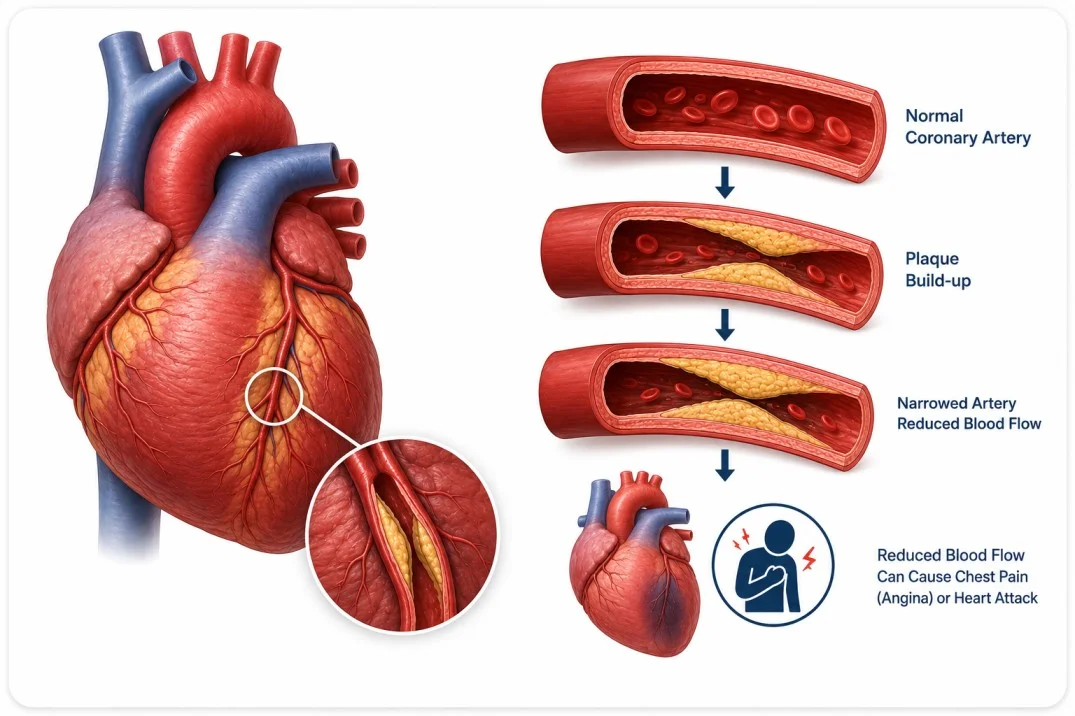
Atherosclerosis is a condition where the arteries become narrowed and hardened due to a buildup of plaque (cholesterol, fats, calcium, and other substances) in the artery walls, which restricts blood flow.

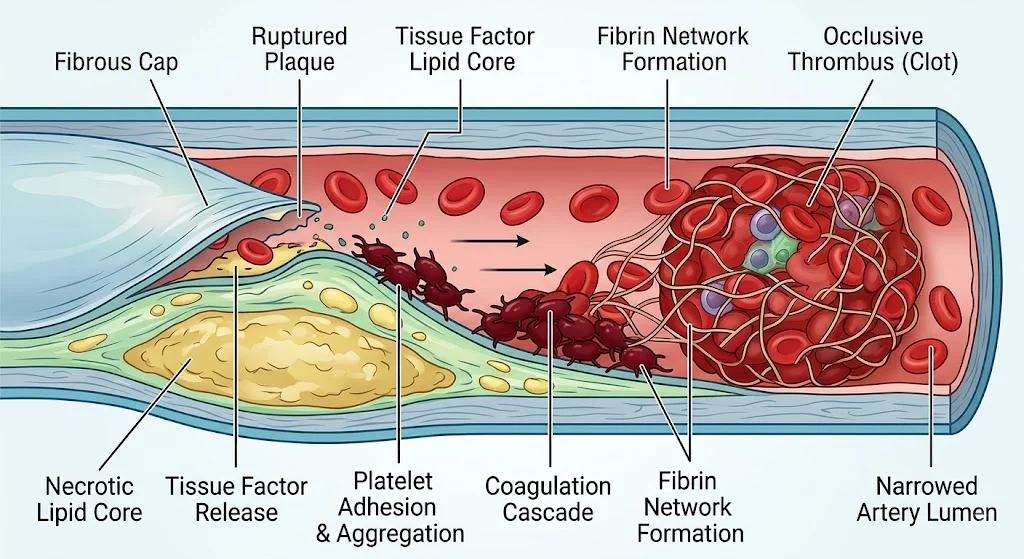
Select the symptoms you are experiencing. We will route Normal Appointment, Urgent Request, or Emergency Guidance. This is navigation help, not a medical diagnosis.
Over time, chronic high blood pressure can damage the inner lining of the arteries (the endothelium), allowing cholesterol, fat, and other substances to accumulate and harden into plaque.
Chemical compounds in tobacco smoke damage blood vessels, significantly increasing the rate at which plaque builds up in the arteries while also lowering the levels of HDL (good) cholesterol.
Blood tests are used to check cholesterol, triglycerides, and blood sugar levels. High levels of these substances are key indicators that raise the risk of plaque buildup and atherosclerosis.
A quick and painless test that measures and records the electrical signals of the heart. It can reveal if there has been reduced blood flow to the heart caused by narrowed arteries.
This test uses computerized tomography (CT) imaging to look for and measure calcium deposits in the artery walls. A higher amount of calcium buildup is an early and significant indicator of atherosclerosis.
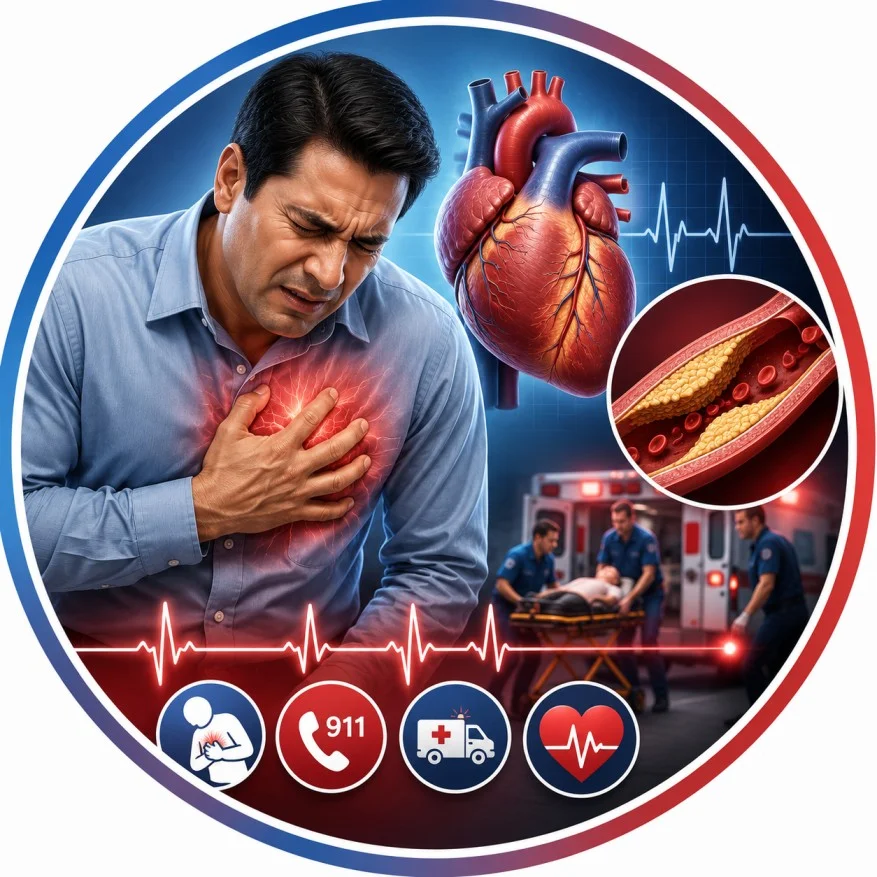
Call emergency medical help immediately if you or someone else experiences sudden symptoms like chest pain, shortness of breath, or discomfort spreading to the arms or jaw. Do not attempt to drive the person to the hospital yourself unless there is no other option.
Help the person into a comfortable resting position. If they are awake, not allergic, and able to swallow, give them a chewable aspirin to reduce blood clotting and heart damage. If they have a prescription for nitroglycerin, assist them in taking it strictly as directed by their healthcare professional.
If the person becomes unresponsive and is not breathing, immediately begin hands-only CPR by pushing hard and fast in the center of the chest at a rate of 100 to 120 compressions per minute. If an Automated External Defibrillator (AED) is available nearby, turn it on and follow its clear voice instructions.
Educational information only — not a personal prescription. Always consult a qualified clinician.
Medications such as statins are commonly prescribed to aggressively lower low-density lipoprotein (LDL) cholesterol. This can help slow, stop, or even reverse the buildup of fatty deposits in the arteries.
A minimally invasive procedure where a doctor threads a thin tube (catheter) into the narrowed part of the artery. A small balloon is inflated to widen the artery, and a wire mesh tube (stent) is often placed to keep it permanently open and improve blood flow.
For severe atherosclerosis, surgeons take a healthy blood vessel from another part of the body to create a new path (bypass) for blood to flow around the blocked or narrowed artery, restoring adequate blood supply to the heart.
Focus on eating a diet rich in fruits, vegetables, and whole grains. Limit the intake of saturated fats, trans fats, sodium, and added sugars to help maintain healthy cholesterol and blood pressure levels, which prevents plaque buildup.
Engage in regular physical activity, such as brisk walking, swimming, or cycling, for at least 30 minutes most days of the week. Routine exercise helps improve circulation, lower blood pressure, and maintain a healthy weight.
Stopping the use of tobacco is one of the most effective ways to prevent atherosclerosis. Quitting smoking halts the ongoing damage to the inner lining of your blood vessels and significantly reduces the risk of heart disease and stroke.
Adopt an eating plan like the Mediterranean or DASH diet, which emphasizes fruits, vegetables, whole grains, and lean proteins like fish and legumes. Strictly limit saturated fats, trans fats, sodium, and refined sugars to help lower bad cholesterol and manage blood pressure.
Get regular exercise and keep an active lifestyle. Routine physical activity helps improve circulation, lower blood pressure, and maintain a healthy weight.
Disruptive rest conditions, such as sleep apnea, are controllable risk factors that can negatively impact arterial health. Seeking treatment to ensure adequate, uninterrupted sleep protects your cardiovascular system.
Work closely with your healthcare provider to control blood pressure, blood sugar, and cholesterol. Consistently managing related conditions like diabetes is crucial to preventing the disease from getting worse.
Drinking excessive amounts of alcohol can raise your blood pressure and increase your triglyceride levels, both of which accelerate the hardening and narrowing of your arteries. If you choose to drink alcohol, it should only be consumed in moderation.
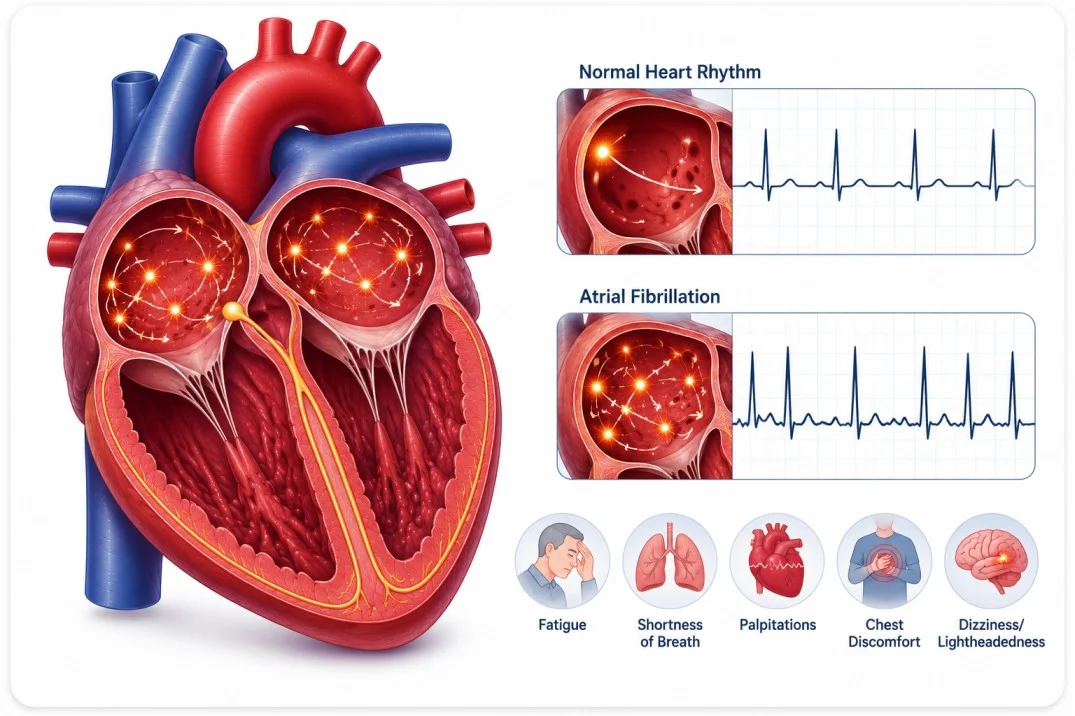
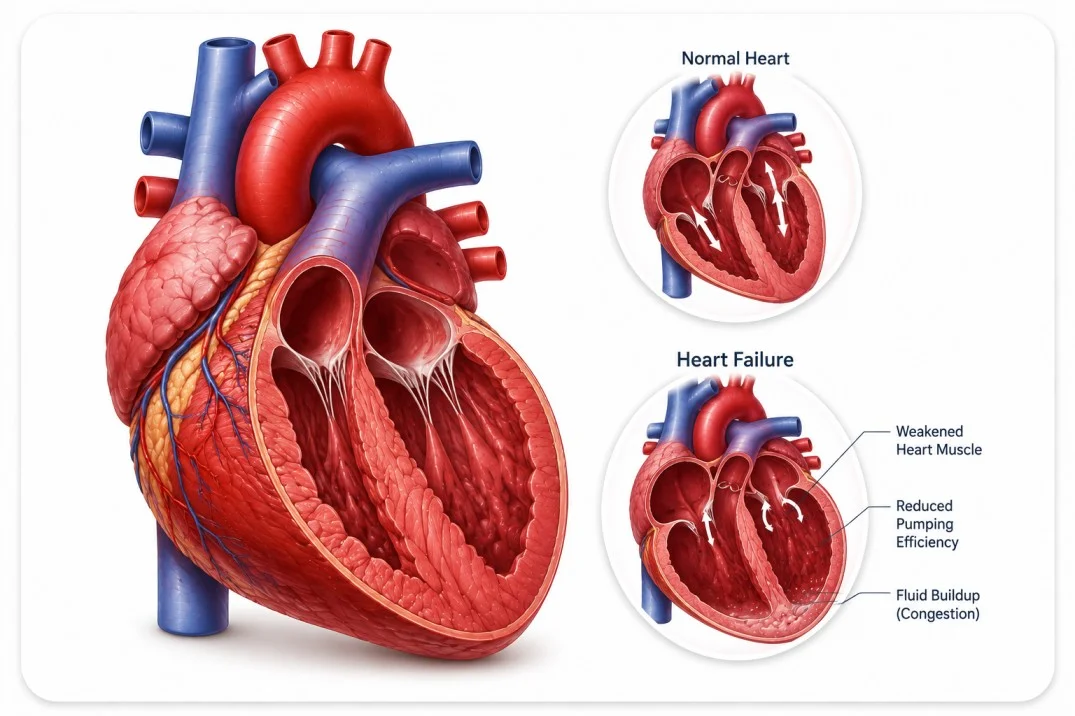
Experiencing unusual tiredness or feeling short of breath during mild exertion or daily activities. This can be an early indicator of reduced blood flow.
Pain, heaviness, or cramping in the calves, thighs, or buttocks while walking or climbing stairs that resolves when resting. This indicates restricted blood flow in the peripheral arteries.
Feeling pressure, tightness, or pain in the chest, especially during physical activity or stress. The discomfort may radiate to the arms, shoulder, jaw, or back.
Sudden numbness or weakness in the face, arms, or legs (often on one side), difficulty speaking, or sudden loss of vision. These are critical signs of a transient ischemic attack (TIA) or stroke.
Based on the selected health concern, these specialists may be relevant. Cardiology is listed as a starting point for Atherosclerosis — this is navigation help, not a diagnosis.
Care paths: Normal Appointment · Urgent Request · Emergency Guidance.
MBBS, MS (Ortho/OSM) Trauma and accident care Rheumatology Chronic Pain Management
New Delhi
Saathora provides healthcare information to help you understand conditions and find care. It is not a substitute for professional medical advice, diagnosis, or treatment.
Completed appointment → Eligible for review. This becomes a Verified Patient Review for the doctor and hospital of this visit.
Accessibility details not listed yet.
Elderly priority assistance is available. Booked appointment times stay the same.
Saathora assistant