DR. NAZIM KAJANI
MBBS, MS (Ortho/OSM) Trauma and accident care Rheumatology Chronic Pain Management
- Experience: 14 years
- Hospital: St. Jude Medical Center
- Fee: ₹1,500
- Rating: ★ 5.0
Available today
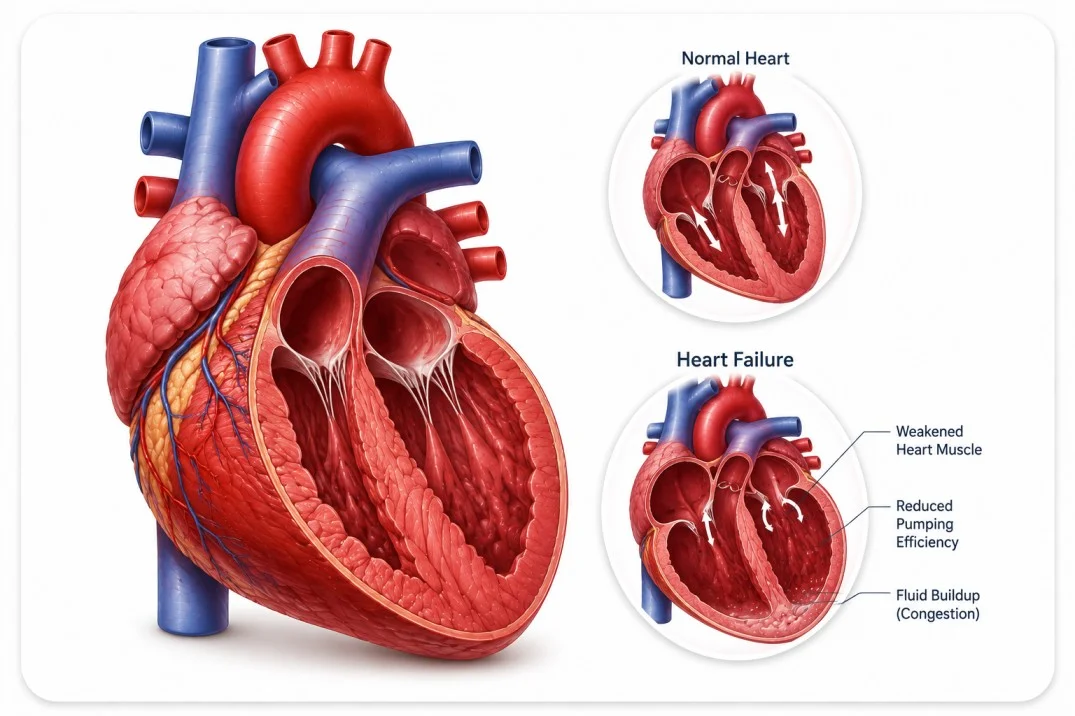
Congestive Heart Failure (CHF) is a chronic progressive condition that affects the pumping power of your heart muscles. It occurs when the heart muscle does not pump blood as well as it should, leading to fluid backup and accumulation in the lungs and tissues.
Select the symptoms you are experiencing. We will route Normal Appointment, Urgent Request, or Emergency Guidance. This is navigation help, not a medical diagnosis.
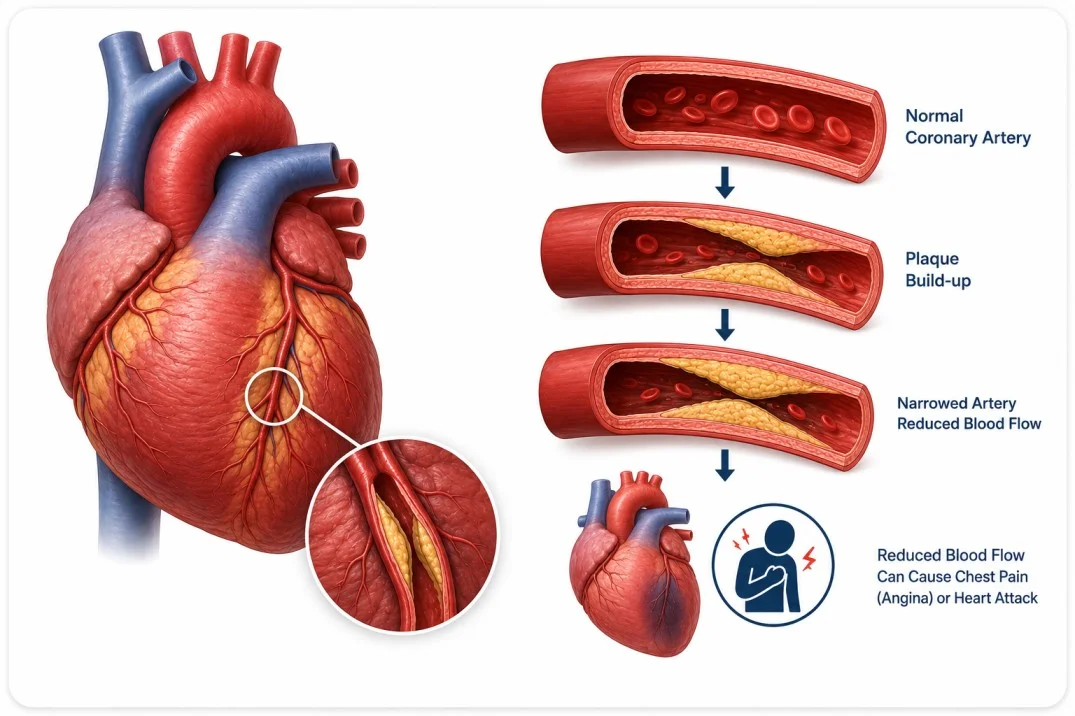
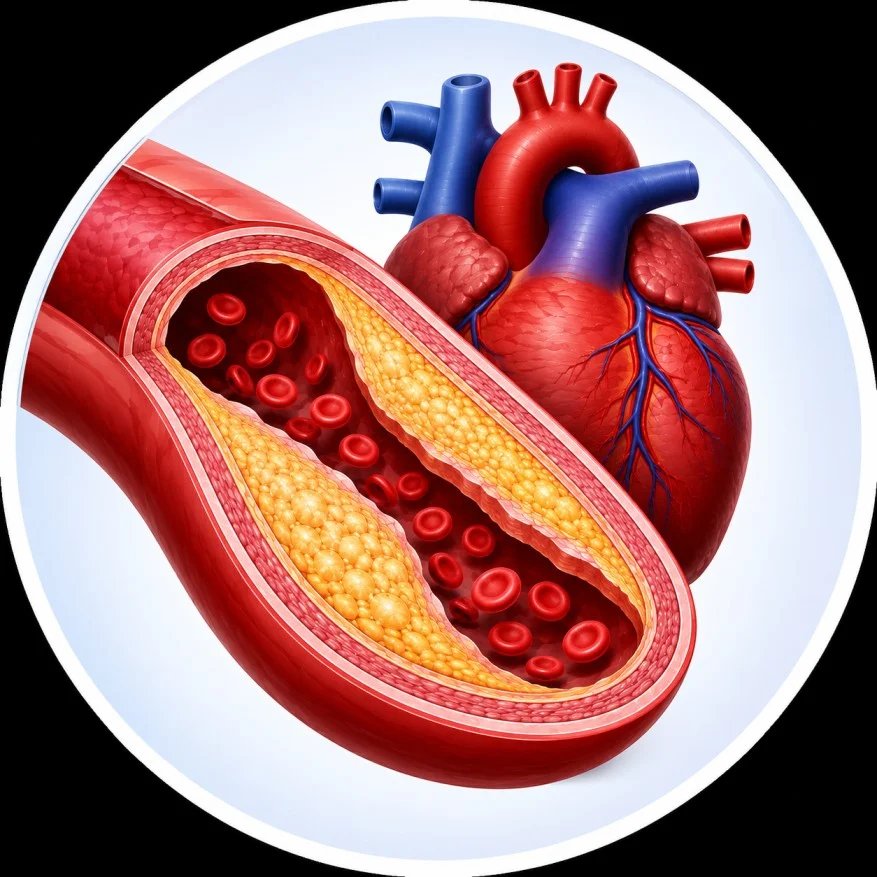
CAD is the most common cause of heart failure. Narrowed arteries restrict blood supply to the heart muscle, while a past heart attack leaves damaged or scarred tissue that cannot pump blood effectively.
Uncontrolled high blood pressure forces the heart to work harder than normal to circulate blood. Over time, this extra effort causes the heart muscle to become stiff or weak.
Damaged or diseased valves force the heart to pump harder to push blood through narrowed openings or deal with blood leaking backward, gradually weakening the heart muscle.
Damage or enlargement of the heart muscle caused by genetic conditions, infections, heavy alcohol consumption, or toxic exposures (such as chemotherapy drugs).
Elevated blood sugar levels increase the risk of hypertension and coronary artery disease, both of which contribute directly to the development of heart failure.
Inflammation of the heart muscle, most commonly caused by a viral infection, which can impair the heart's ability to pump effectively.
Uses sound waves to produce real-time images of the heart's structure and motion. It measures ejection fraction (EF) to evaluate how well the heart pumps blood and assesses heart valve function.
Measures levels of BNP or NT-proBNP hormones in the blood, which rise significantly when heart failure worsens due to increased pressure and fluid buildup inside the heart chambers.
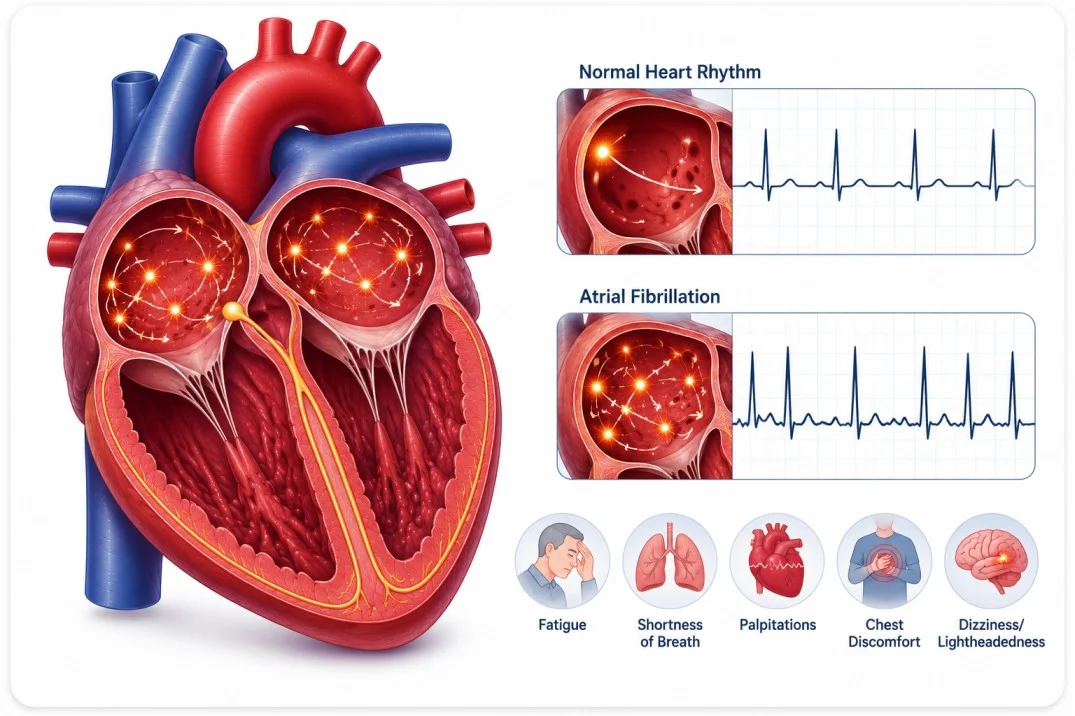
Records the electrical activity of the heart to detect abnormal heart rhythms (arrhythmias), damage from a past heart attack, or signs of thickened heart muscle walls.
Provides visual images of the lungs and heart to reveal an enlarged heart size, fluid buildup in or around the lungs (pulmonary edema), or other lung conditions.
Advanced imaging tests that capture detailed cross-sectional images of the heart's anatomy, blood vessels, and tissue structure to pinpoint underlying causes of heart muscle damage.
An invasive imaging test using dye and X-rays to locate blockages or narrowing in the coronary arteries that may be restricting blood supply to the heart muscle.
Help the person sit upright in a comfortable position, ideally with back support and legs hanging down if possible. Do NOT allow them to lie flat, as this increases fluid pressure on the lungs and worsens breathing difficulties.
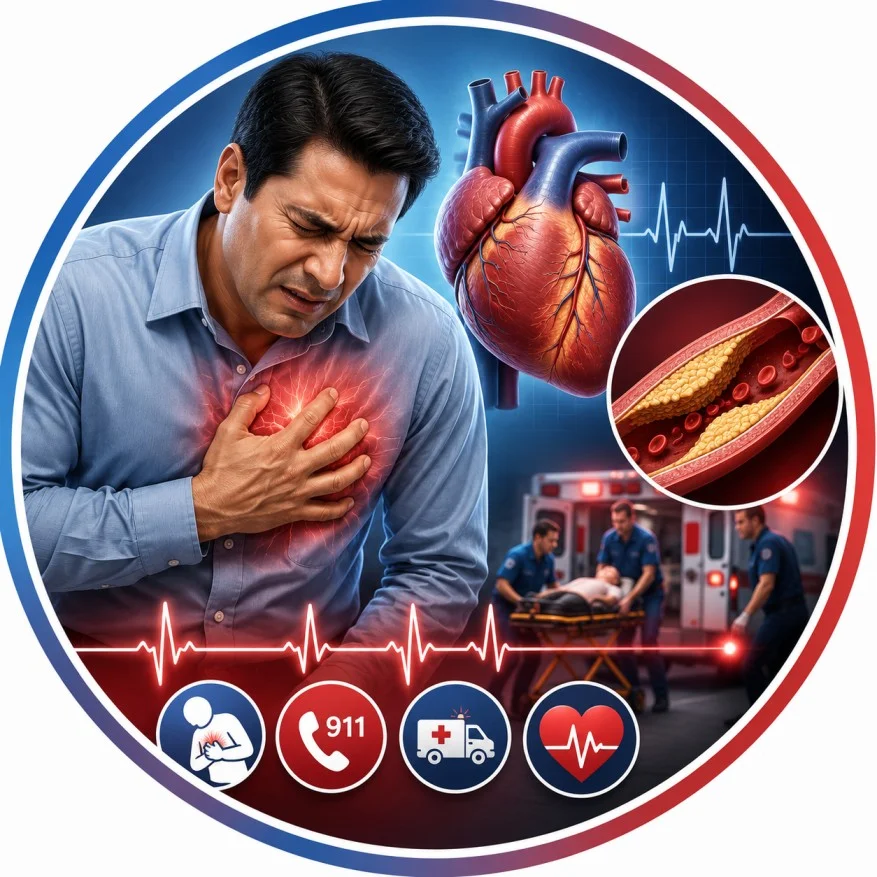
Immediately dial local emergency services (e.g., 911 / 112) if the person experiences sudden severe shortness of breath, chest pain, blue-tinged lips/fingernails, or loss of consciousness.
Loosen any tight belts, collars, or clothing around the neck and chest to facilitate easier breathing. Reassure the person and encourage slow, calm, deep breaths to prevent anxiety from worsening symptoms.
If the patient has prescribed quick-relief emergency medication (such as sublingual nitroglycerin) and a healthcare provider has instructed its use during an episode, help them administer it as directed.
Closely monitor breathing and pulse until medical help arrives. If the person stops breathing or becomes unresponsive, begin cardiopulmonary resuscitation (CPR) immediately if trained to do so.
Educational information only — not a personal prescription. Always consult a qualified clinician.
Prescription drugs used to lower blood pressure, improve heart function, and reduce fluid accumulation. Key classes include ACE inhibitors/ARBs, beta-blockers, mineralocorticoid receptor antagonists (MRAs), SGLT2 inhibitors, and diuretics.
Restricting daily sodium intake (typically under 2,000 mg/day) and monitoring daily fluid consumption to reduce fluid retention and ease the workload on the heart muscle.
Implantation of medical devices such as an Implantable Cardioverter-Defibrillator (ICD) to prevent dangerous arrhythmias or Cardiac Resynchronization Therapy (CRT/biventricular pacemaker) to synchronize heart contractions.
Surgical procedures like Coronary Artery Bypass Grafting (CABG) to bypass blocked arteries, or valve repair/replacement to fix structural defects causing heart strain.
A medically supervised exercise, lifestyle, and educational program tailored to help heart failure patients safely build physical strength, improve stamina, and manage symptoms.
For end-stage heart failure, surgical implantation of a Ventricular Assist Device (VAD) or a heart transplant may be necessary when conventional treatments are no longer effective.
Keep blood pressure, cholesterol, and blood sugar levels within target ranges through prescribed medications, regular health monitoring, and doctor visits to reduce strain on the heart muscle.
Focus on a diet rich in fruits, vegetables, whole grains, lean proteins, and low-fat dairy while strictly limiting sodium intake to prevent fluid retention and excess strain on the heart.
Maintain a routine of moderate aerobic exercise—such as walking or swimming—as approved by a doctor, to strengthen cardiovascular endurance and support healthy circulation.
Quit smoking and avoid exposure to secondhand smoke to protect blood vessels, and limit alcohol consumption to reduce the risk of heart muscle damage and high blood pressure.
Keep body mass index (BMI) in a healthy range to reduce the physical workload on the heart, and practice stress-management techniques such as mindfulness or deep breathing exercises.
Limit sodium intake (typically under 2,000 mg/day) to reduce fluid retention and edema. Monitor daily fluid consumption as advised by a physician, and focus on nutrient-dense, low-fat foods rich in fiber.
Engage in doctor-approved, low-impact aerobic activities like daily walking or cardiac rehabilitation exercises to improve circulation, increase endurance, and prevent muscle wasting.
Weigh yourself every morning after waking and using the bathroom, before eating. Track sudden weight changes (e.g., gaining 2–3 lbs in a day or 5 lbs in a week) and report swelling or worsening shortness of breath to a doctor immediately.
Avoid smoking and exposure to secondhand smoke, completely restrict or eliminate alcohol, and stay away from processed meats, canned soups, fast food, and added salt.
Take all prescribed heart medications (such as diuretics and ACE inhibitors) consistently at the same times each day. Balance activity with adequate rest, elevating legs when sitting to help minimize fluid accumulation.
Gaining 2 to 3 pounds in 24 hours or 5 pounds in a week, along with noticeable fluid buildup or swelling (edema) in the feet, ankles, legs, or abdomen.
Experiencing extreme breathlessness while at rest, waking up gasping for air (paroxysmal nocturnal dyspnea), or feeling unable to breathe unless sitting completely upright.
Constant coughing or wheezing that produces white or pink-tinged, frothy mucus, indicating acute fluid accumulation in the lungs (pulmonary edema).
Experiencing chest discomfort, pressure, or tightness, accompanied by a rapid, pounding, or irregular heartbeat (palpitations), dizziness, or fainting.
Feeling increasingly tired, weak, or lightheaded during mild everyday activities, or noticing a diminished capacity for light physical exertion.
Based on the selected health concern, these specialists may be relevant. Cardiology is listed as a starting point for Congestive Heart Failure — this is navigation help, not a diagnosis.
Care paths: Normal Appointment · Urgent Request · Emergency Guidance.
MBBS, MS (Ortho/OSM) Trauma and accident care Rheumatology Chronic Pain Management
Available today
MBBS, MD (General Medicine)
Available today
MBBS, MD General Physician & Diabetologist
MBBS MD, Anaesthesia
MD - Pulmonary Medicine, Sleep Medicine Specialist
Hyderabad
New Delhi
Cardiac Care
₹2,999
Executive
₹4,499
Discover minor lifestyle, diet adaptations and sodium control measures recommended by our cardiolgists to keep...
Read article →Detecting physiological variations early can lead to highly responsive therapy plans, avoiding emergency clini...
Read article →Saathora provides healthcare information to help you understand conditions and find care. It is not a substitute for professional medical advice, diagnosis, or treatment.
Completed appointment → Eligible for review. This becomes a Verified Patient Review for the doctor and hospital of this visit.
Accessibility details not listed yet.
Elderly priority assistance is available. Booked appointment times stay the same.
Saathora assistant