DR. KIRAN KUMAR
MBBS, MD (General Medicine)
- Experience: 8 years
- Hospital: MEDI STAR Hospital
- Fee: ₹600
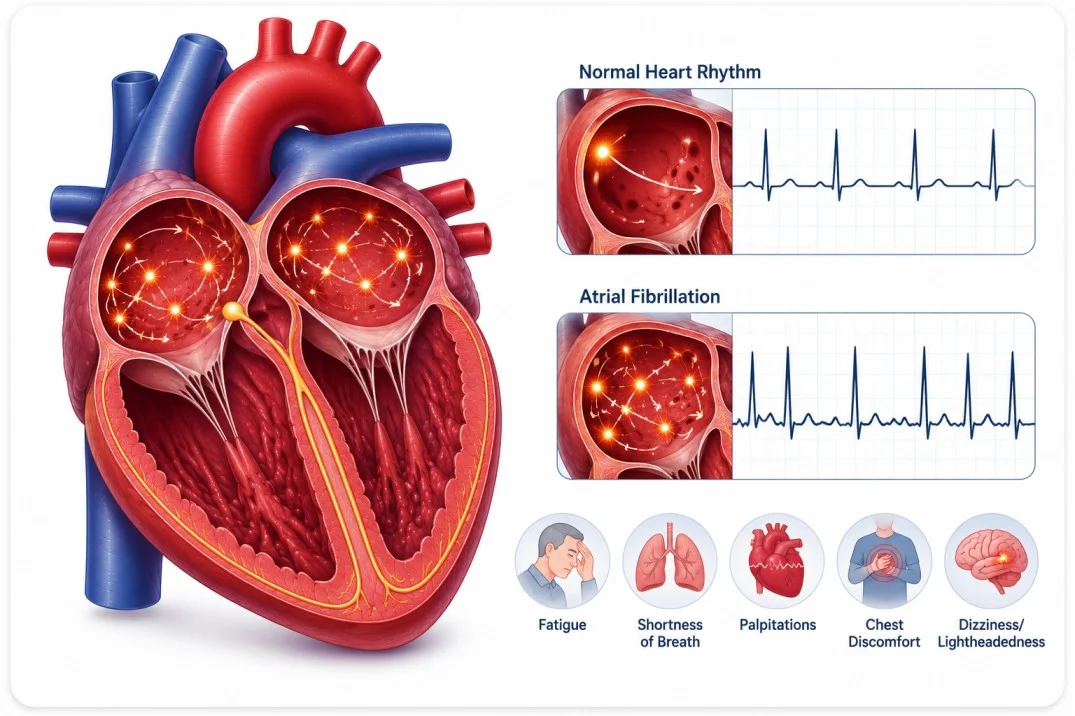
Atrial Fibrillation (AFib) is a common heart rhythm disorder characterized by rapid, irregular electrical signals in the upper chambers of the heart, which can increase the risk of blood clots, stroke, and heart failure.
sensations of a fast, fluttering, pounding, or irregular heartbeat in the chest, often occurring suddenly.
Feeling unusually tired, weak, or drained during everyday tasks due to reduced heart efficiency and oxygen delivery.
Feeling faint, lightheaded, or unsteady, caused by brief drops in blood pressure during rapid rhythm episodes.
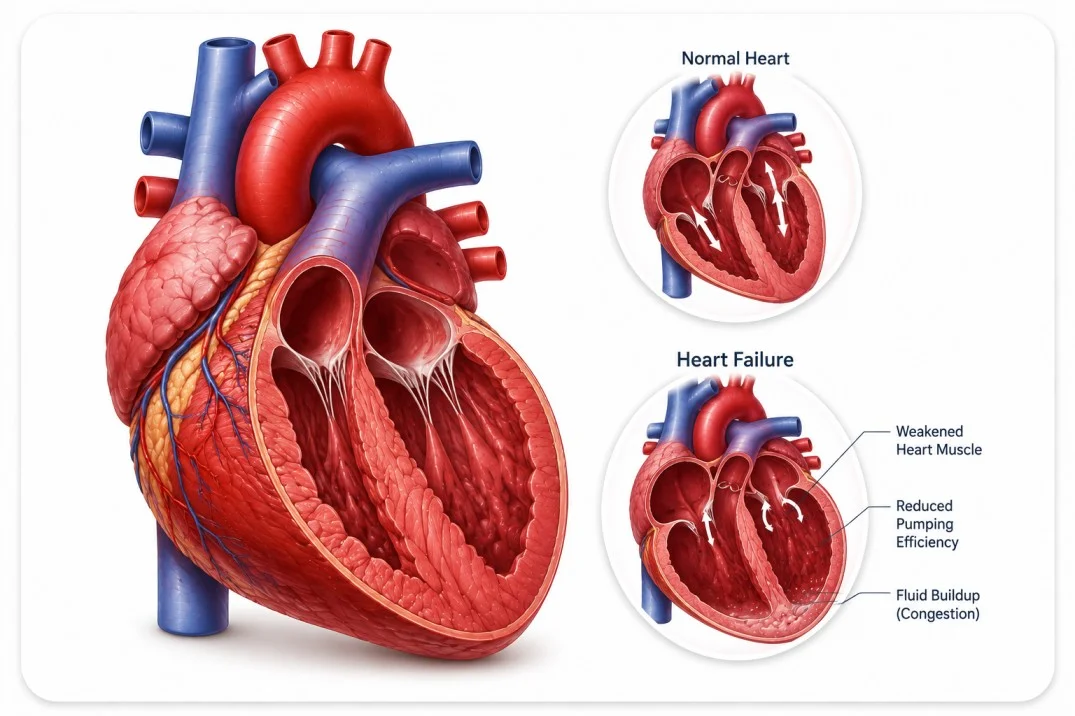
Difficulty breathing during light physical exertion or while lying flat, resulting from fluid backup or inefficient heart pumping.
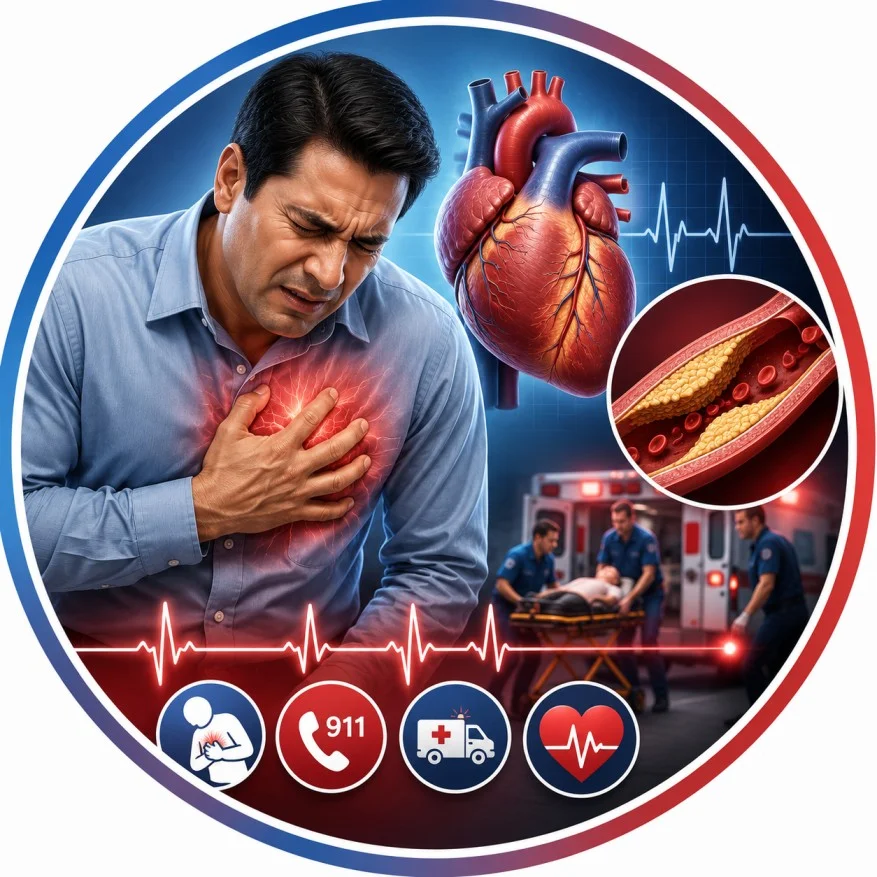
Pressure, tightness, or pain in the chest accompanied by rapid heart rates, requiring immediate medical evaluation.
Chronic high blood pressure puts continuous strain on the heart, altering its tissue structure and electrical pathways, which frequently triggers irregular heart rhythms.
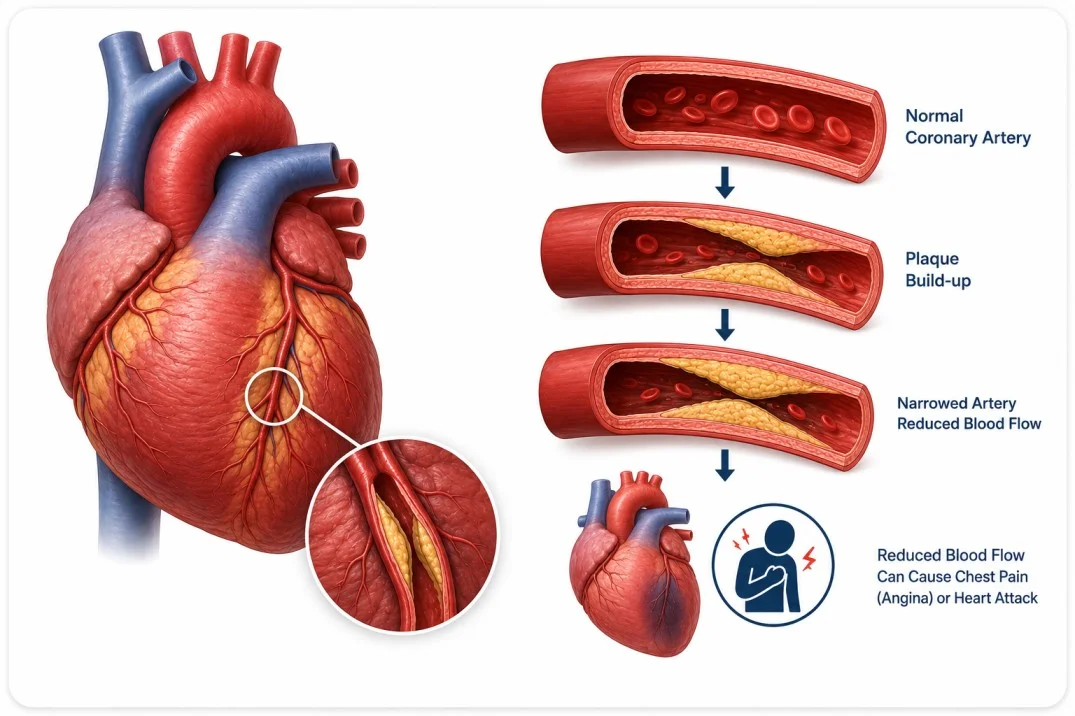
Blocked arteries, previous heart attacks, or damaged heart valves impair blood flow and cause structural remodeling in the atria, disrupting normal electrical conduction.
The risk of developing AFib increases significantly as you age, and having a family history of arrhythmia or underlying cardiovascular conditions further elevates risk.
Binge drinking ("holiday heart syndrome"), high caffeine consumption, severe physical illness, or sudden emotional stress can provoke acute, rapid episodes of AFib.
Conditions such as untreated obstructive sleep apnea or an overactive thyroid gland (hyperthyroidism) create hormonal and metabolic stresses that alter cardiac electrical signals.
A primary, non-invasive diagnostic test that records the electrical activity of the heart to detect irregular rhythms, confirm Atrial Fibrillation, and evaluate heart rate.
A portable ECG device worn for 24 hours to several days that continuously records cardiac activity during daily routines to capture intermittent or asymptomatic AFib episodes.
An ultrasound imaging test that evaluates heart structure, valve function, atrial size, and blood flow, helping to detect underlying heart disease or blood clots in the left atrium.
Laboratory analysis to evaluate thyroid function (TSH/Free T4), kidney function, and electrolyte levels (potassium, magnesium) to rule out metabolic or hormonal causes of arrhythmias.
Long-term cardiac monitoring devices used for patients with infrequent symptoms to record electrical activity automatically or when manually activated during an episode.
Rest quietly in a comfortable, seated or semi-upright position to lessen cardiac strain, reduce anxiety, and prevent falls or injury caused by sudden lightheadedness or dizziness.
Unbutton tight collars, loosen belts, and ensure the surrounding area is well-ventilated with fresh airflow to promote ease of breathing and maximize comfort.
Check for extreme pulse irregularity, severe chest pressure, extreme shortness of breath, or noticeable slurring of speech and facial drooping.
If a physician has prescribed a specific "pill-in-the-pocket" rate/rhythm control medication for acute episodes, assist the individual in taking it exactly as directed.
Seek immediate emergency medical assistance if the episode is accompanied by severe chest pain, fainting, sudden weakness/numbness on one side of the body, or severe breathing distress.
Educational information only — not a personal prescription. Always consult a qualified clinician.
Administration of oral anticoagulants (such as DOACs like apixaban or warfarin) to prevent blood clot formation in the atria and significantly reduce the risk of stroke.
Prescription of beta-blockers, calcium channel blockers, or digoxin to slow down a rapid heart rate and keep the resting heart rate within a safe, comfortable range.
A quick procedure that sends synchronized electrical shocks to the heart through pads placed on the chest to reset an abnormal heart rhythm back to a normal sinus rhythm.
A minimally invasive electrophysiology procedure that uses radiofrequency heat or cryo-freezing energy to scar small areas of heart tissue, causing erratic electrical signals.
Regular self-monitoring of pulse rate, compliance with daily prescribed medications, stress reduction, and attending scheduled follow-up visits with a cardiologist.
Keep blood pressure and cholesterol levels within target ranges through regular monitoring, prescribed medications, and doctor visits to minimize strain on the cardiac muscle and electrical system.
Consume a balanced diet rich in fruits, vegetables, whole grains, and lean proteins while restricting sodium and saturated fat intake to support overall cardiovascular health.
Avoid excessive alcohol intake ("holiday heart syndrome") and moderate caffeine consumption to prevent acute triggers of rapid or erratic heart rhythms.
Quit smoking and avoid exposure to secondhand smoke, as nicotine and tobacco toxins damage blood vessels, elevate heart rate, and increase arrhythmia risks.
Participate in moderate, doctor-approved aerobic exercises—such as walking, cycling, or swimming—to maintain a healthy body weight and strengthen heart endurance.
Consume a DASH or Mediterranean-style diet rich in fiber, leafy greens, and potassium/magnesium-dense foods while restricting sodium intake to help maintain stable blood pressure and electrolyte balance.
Participate in regular, moderate physical activities like daily walking, swimming, or light cycling as cleared by a physician, avoiding intense physical exertion that might trigger irregular heart rhythms.
Practice mindfulness, yoga, or deep-breathing exercises to minimize emotional stress, and ensure 7–8 hours of quality sleep nightly to reduce autonomic nervous system stimulation.
Strictly limit or avoid binge drinking ("holiday heart syndrome"), heavy caffeine intake, energy drinks, recreational drugs, and over-the-counter decongestants that can provoke rapid heart palpitations.
Take all prescribed antiarrhythmics or blood thinners regularly at the specified times, keep a log of symptoms or heart rate fluctuations, and report any sudden changes to your physician.
Experiencing an extremely fast, pounding, or fluttering heart rate (often exceeding 100–140 bpm at rest) accompanied by chest pressure or tightness.
Sudden, severe shortness of breath during rest or very light activity, indicating fluid backup or compromised cardiac pumping efficiency.
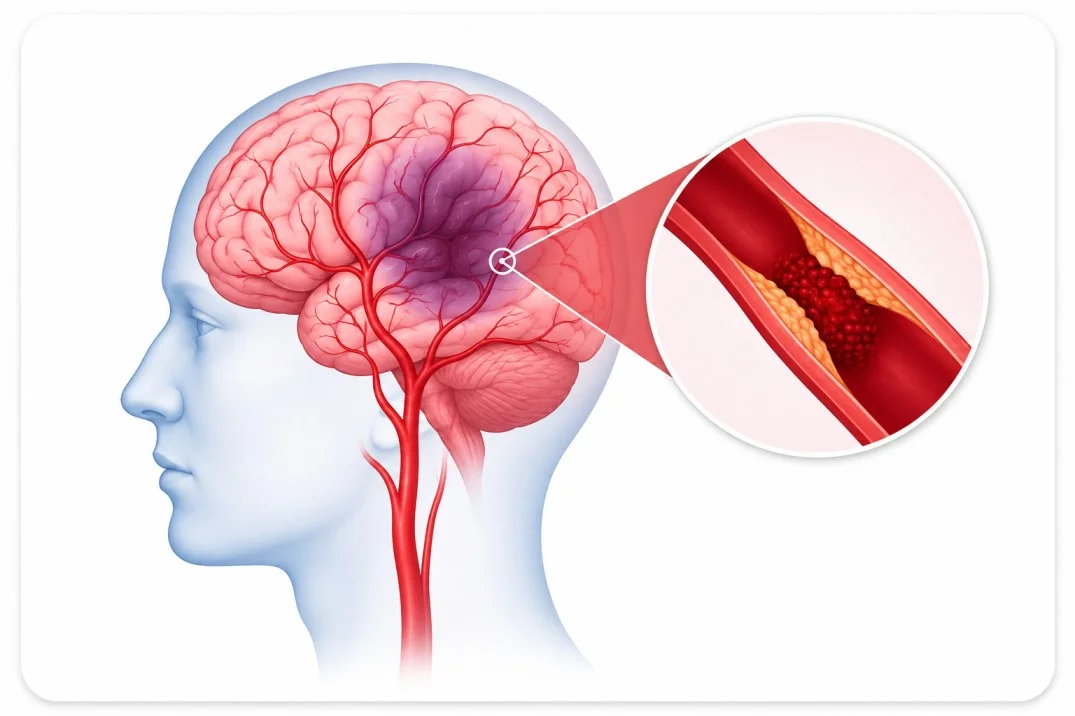
Sudden onset of facial drooping, arm weakness or numbness on one side of the body, slurred speech, or sudden loss of vision, caused by a blood clot originating in the heart.
Feeling severely faint, lightheaded, or unsteady when standing or changing positions due to a temporary drop in blood pressure during rapid rhythm episodes.
Sudden onset of mental confusion, weakness, or inability to perform basic daily activities due to reduced blood flow and oxygen delivery to the brain and organs.
For Atrial Fibrillation, patients commonly consult a Cardiology specialist.
MBBS, MD (General Medicine)
MBBS, MD (Internal Medicine)
Hyderabad
Cardiac Care
₹2,999
Executive
₹4,499
Discover minor lifestyle, diet adaptations and sodium control measures recommended by our cardiolgists to keep...
Read article →Detecting physiological variations early can lead to highly responsive therapy plans, avoiding emergency clini...
Read article →Saathora provides healthcare information to help you understand conditions and find care. It is not a substitute for professional medical advice, diagnosis, or treatment.
Your review helps other patients find appropriate clinicians and feel comforted in times of anxiety.