DR. SRUJANA KOMMALAPATI
MBBS, MD (Internal Medicine)
- Experience: 5 years
- Hospital: St. Jude Medical Center
- Fee: ₹2,000
- Rating: ★ 5.0
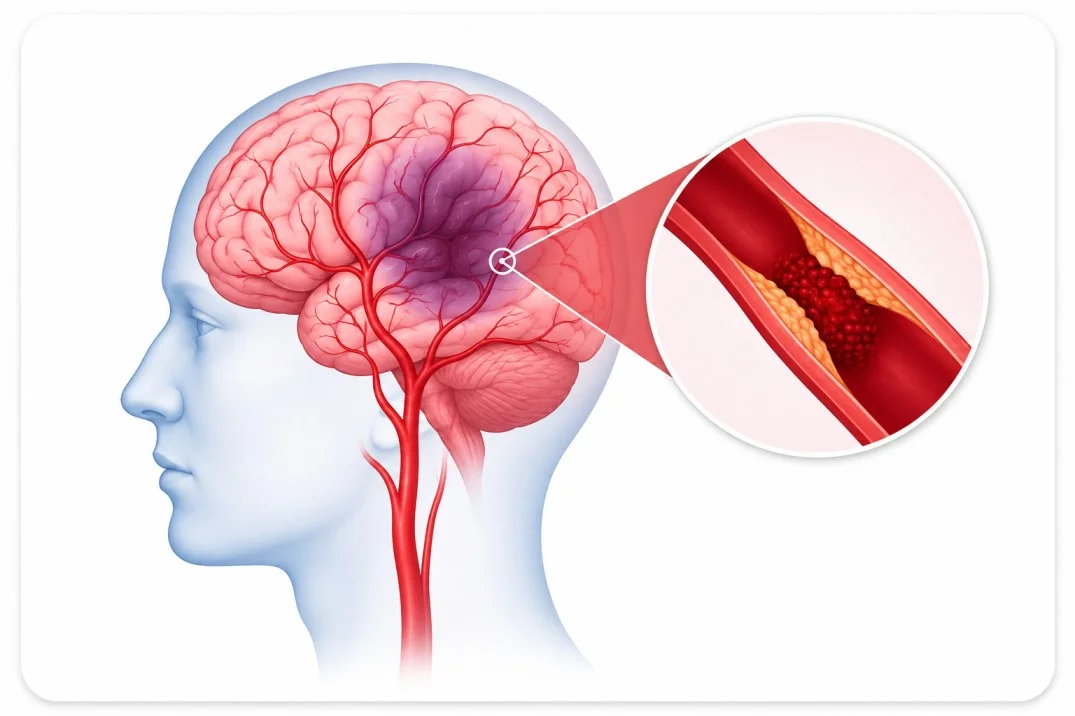
A stroke happens when there is a loss of blood flow to part of the brain. Brain cells cannot get the oxygen and nutrients they need, causing them to start dying within a few minutes. This can cause lasting brain damage, long-term disability, or even death.
Select the symptoms you are experiencing. We will route Normal Appointment, Urgent Request, or Emergency Guidance. This is navigation help, not a medical diagnosis.
High blood pressure is a leading cause of stroke. It occurs when the pressure of the blood in your arteries is too high, damaging and weakening blood vessels in the brain over time.
Excess cholesterol can build up in the arteries (atherosclerosis), including those of the brain. This can lead to the narrowing of the arteries or form blood clots that block blood flow, leading to a stroke.
Diabetes causes sugars to build up in the blood, damaging blood vessels over time. People with diabetes are also more likely to have high blood pressure, which further increases the risk of a stroke.
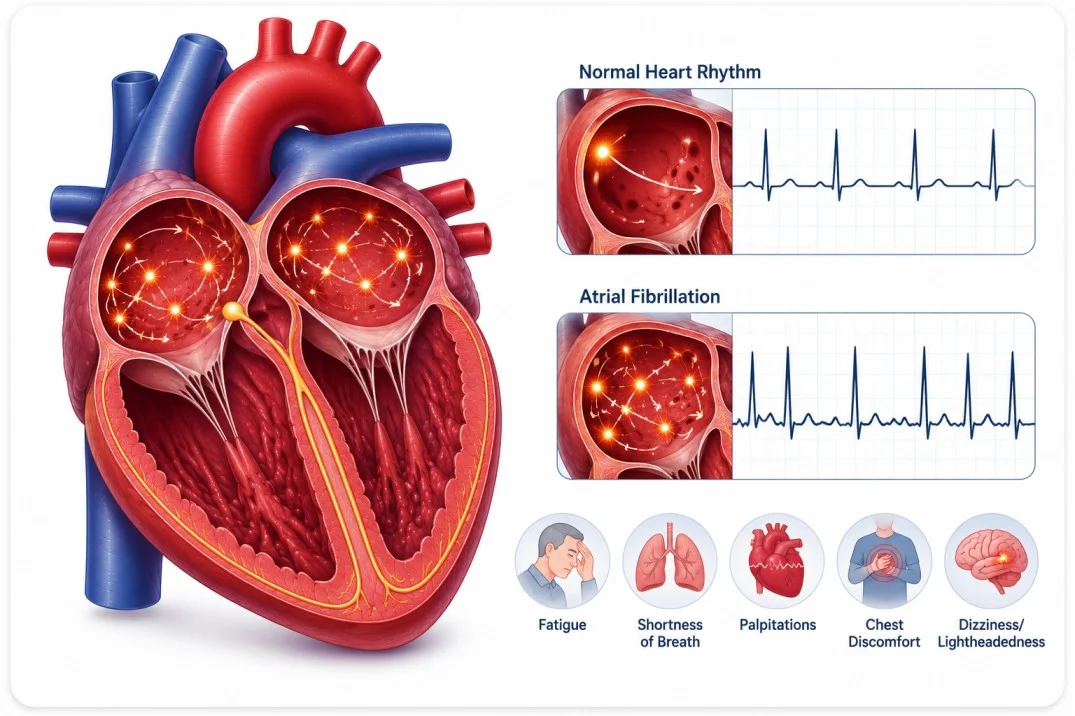
Heart conditions, particularly atrial fibrillation (an irregular heartbeat), can cause blood clots to form in the heart. These clots can break loose, travel to the brain, and cause an ischemic stroke.
Cigarette smoking damages the heart and blood vessels. Nicotine raises blood pressure, and carbon monoxide from cigarette smoke reduces the amount of oxygen that the blood can carry to the brain.
A lack of physical activity and carrying excess body weight are linked to higher "bad" cholesterol levels, high blood pressure, and diabetes, all of which are major risk factors for stroke.
Often the first test performed in an emergency setting. A CT scan uses a series of X-rays to create detailed images of the brain. It can quickly show bleeding in the brain (hemorrhagic stroke) or rule out tumors, though it may not immediately show signs of an ischemic stroke.
Uses powerful radio waves and magnets to create a highly detailed view of the brain. An MRI can detect brain tissue damaged by an ischemic stroke and brain hemorrhages, often providing more detail than a CT scan.
A painless test that uses sound waves to create images of the inside of the carotid arteries in the neck. This test checks for the buildup of fatty plaques (atherosclerosis) and assesses blood flow to the brain.
Several blood tests are typically administered upon arrival at the hospital to determine how fast the blood clots, check blood sugar levels (as extreme highs or lows can mimic stroke symptoms), and screen for critical electrolyte imbalances or infections.
Uses sound waves to create detailed images of the heart. It helps identify a source of clots in the heart, such as from atrial fibrillation, which may have traveled from the heart to the brain and caused an ischemic stroke.
A minimally invasive procedure where a catheter is inserted through a small incision (usually in the groin) and guided to the major arteries. A dye is injected to provide a detailed, clear view of the blood vessels in the brain and neck under X-ray.
If you observe any signs of a stroke (using the F.A.S.T. method), call 911 or your local emergency number immediately. Do not wait to see if symptoms improve. Prompt treatment is critical to reduce brain damage and long-term disability.
Pay close attention to the exact time the first symptoms appeared, or the last time the person was known to be well and symptom-free. This information is crucial for emergency responders and doctors, as certain clot-busting treatments must be given within a narrow time window.
Help the person into a safe, comfortable position. If they are responsive but not fully awake, or if they are vomiting/drooling, place them on their side (the recovery position) with their head slightly raised and supported to keep their airway clear and prevent choking.
Ensure their airway is clear. If they are having difficulty breathing, loosen any tight or constrictive clothing, such as a tie, collar, or scarf. If they stop breathing, begin CPR immediately.
Never give the person anything to eat or drink, as a stroke can impair swallowing and cause them to choke. Do not give them medication, including aspirin, as this can worsen bleeding if they are having a hemorrhagic stroke.
Stay with the person until emergency services arrive. Talk to them in a calm, reassuring manner, even if they cannot speak clearly or respond. Continually monitor their breathing and responsiveness, and be prepared to update the emergency operator on any changes in their condition.
Educational information only — not a personal prescription. Always consult a qualified clinician.
An intravenous "clot-busting" medication used for ischemic strokes to dissolve the blood clot blocking blood flow to the brain. It is most effective when administered within a strict time window (usually 3 to 4.5 hours) after symptoms begin.
A minimally invasive endovascular procedure where a doctor uses a catheter—typically threaded through an artery in the groin—to physically grab and remove a large blood clot directly from an artery in the brain.
Surgical interventions primarily used for hemorrhagic strokes to stop bleeding in the brain. This involves either placing a tiny clamp at the base of a ruptured aneurysm or filling it with tiny coils to seal it off.
Medications such as aspirin, clopidogrel, or warfarin that are frequently prescribed to prevent blood cells from clumping together or to prevent existing clots from getting bigger, reducing the risk of a recurrent stroke.
A crucial, comprehensive recovery program that often involves a combination of physical therapy (to regain movement), occupational therapy (to relearn daily tasks), and speech therapy (to improve communication and swallowing).
A surgical procedure performed to reduce the risk of future ischemic strokes by removing the buildup of fatty plaques from the carotid arteries (the main blood vessels in the neck that supply blood to the brain).
High blood pressure is the single biggest contributor to the risk of stroke. Regularly monitoring and controlling it through a low-sodium diet, exercise, and prescribed medication is crucial.
Consistently high blood sugar levels damage blood vessels over time and increase the likelihood of clots. Managing diabetes effectively with diet, exercise, and medication significantly reduces stroke risk.
Smoking accelerates clot formation, thickens your blood, and increases the buildup of plaque in your arteries. Quitting tobacco use is one of the most immediate and effective ways to lower your risk.
A diet low in sodium, trans fats, and saturated fats helps prevent high blood pressure and high cholesterol. Focus on incorporating plenty of fresh fruits, vegetables, whole grains, and lean proteins.
Engaging in regular physical activity, such as brisk walking, cycling, or swimming, for at least 150 minutes a week can lower your blood pressure, increase your "good" cholesterol, and improve overall cardiovascular health.
Focus on a diet rich in fruits, vegetables, whole grains, nuts, seeds, and lean proteins like fish and poultry. The DASH (Dietary Approaches to Stop Hypertension) diet is specifically designed to help lower blood pressure, a major stroke risk factor.
Reduce salt intake to help manage and lower blood pressure. Avoid trans fats and limit saturated fats (often found in red meat, fried foods, and full-fat dairy) to prevent further cholesterol buildup in the arteries.
Aim for at least 150 minutes of moderate-intensity aerobic activity, such as brisk walking, cycling, or swimming, each week. Regular exercise improves overall cardiovascular health and helps control weight and blood pressure.
Smoking significantly increases the risk of stroke by damaging blood vessels and raising blood pressure. Heavy alcohol consumption can also spike blood pressure. Quitting smoking and strictly limiting alcohol are essential.
Chronic stress can contribute to high blood pressure and unhealthy coping behaviors (like poor eating). Practices such as meditation, yoga, and deep breathing, along with seeking support when needed, are important for long-term health.
Ensure you are regularly checking your blood pressure, cholesterol levels, and blood sugar with your healthcare provider so that underlying risk factors remain well-managed.
One side of the face suddenly droops, falls, or feels entirely numb. When attempting to smile, the person's smile appears uneven or lopsided.
Sudden numbness, weakness, or paralysis in one arm (or leg), typically on one side of the body. When attempting to raise both arms, one arm drifts downward.
The person suddenly exhibits slurred speech, is unable to speak at all, or has difficulty understanding what others are saying to them.
Experiencing a sudden blurring, dimming, double vision, or a complete loss of vision in one or both eyes without warning.
A sudden onset of profound dizziness, trouble walking, vertigo, or a complete loss of balance and physical coordination.
A sudden, extraordinarily severe headache that comes on out of nowhere with no known cause, sometimes accompanied by vomiting or altered consciousness.
Based on the selected health concern, these specialists may be relevant. Neurology is listed as a starting point for Stroke (Cerebrovascular Accident) — this is navigation help, not a diagnosis.
Care paths: Normal Appointment · Urgent Request · Emergency Guidance.
MBBS, MD (Internal Medicine)
New Delhi
Saathora provides healthcare information to help you understand conditions and find care. It is not a substitute for professional medical advice, diagnosis, or treatment.
Completed appointment → Eligible for review. This becomes a Verified Patient Review for the doctor and hospital of this visit.
Accessibility details not listed yet.
Elderly priority assistance is available. Booked appointment times stay the same.
Saathora assistant